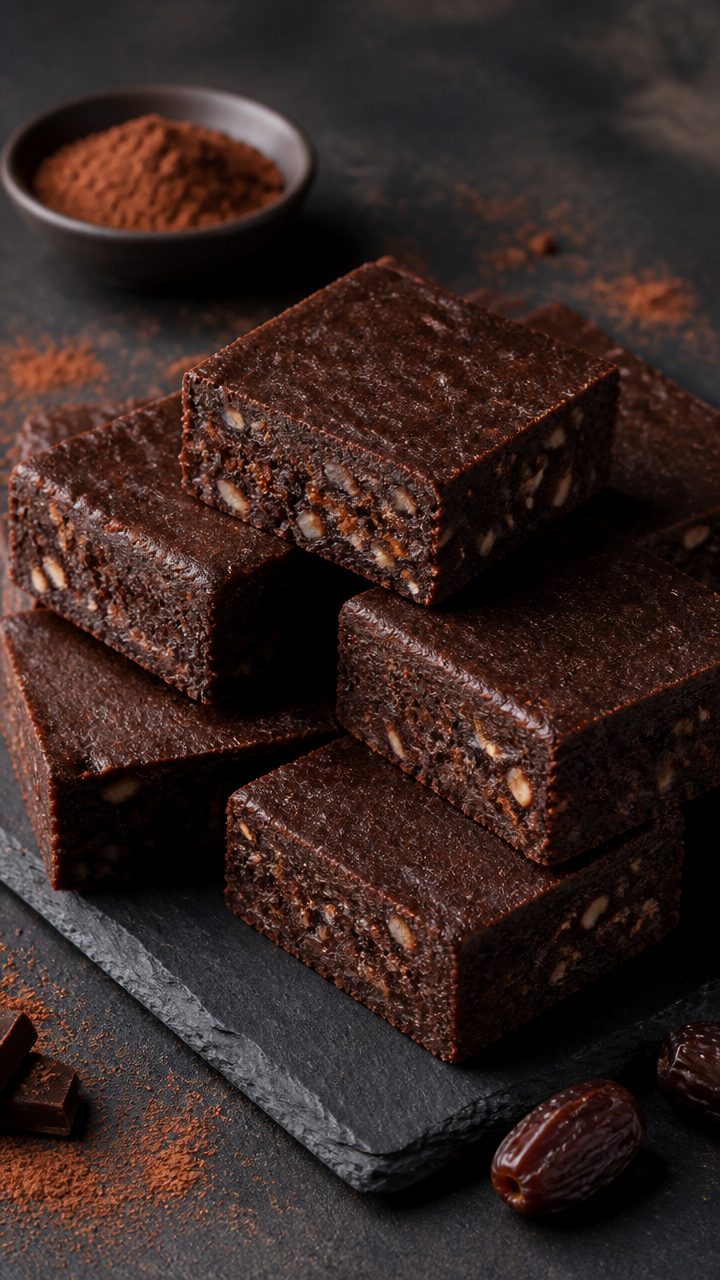
Sugar-Free Dark Chocolate Fudge with Almond Butter
My youngest declared a full sugar ban after reading a cereal box, which is how I ended up in my kitchen at 9pm testing fudge recipes until one actually worked.
This one sets properly, cuts clean, and tastes like something you'd pay too much for at a chocolate shop.
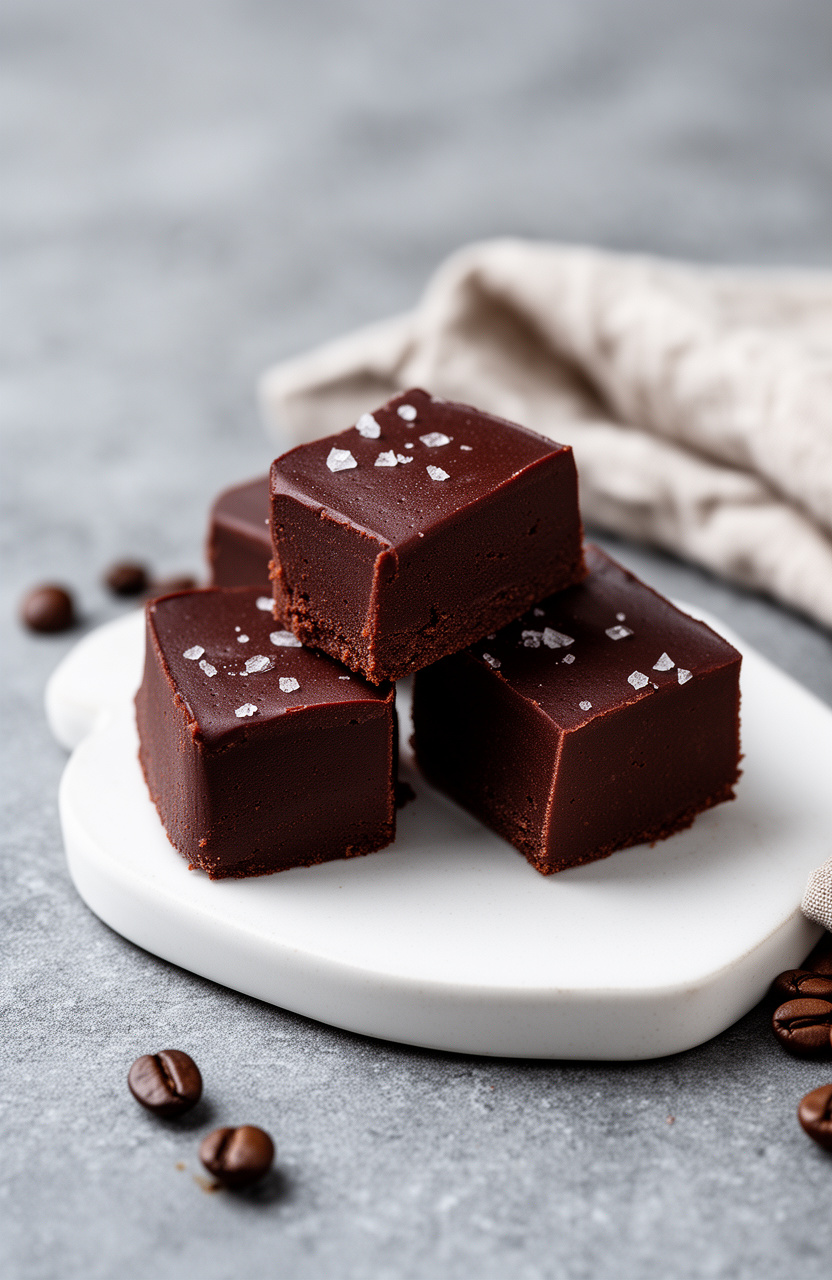
Sugar-Free Dark Chocolate Fudge with Almond Butter
Rich, dense fudge that sets firm in the fridge with zero added sugar and no candy thermometer required.
Ingredients
- 1 cup almond butter , smooth, no sugar added
- 1/2 cup coconut oil , refined or unrefined
- 1/2 cup unsweetened dark cocoa powder , dutch-process preferred
- 1/3 cup powdered erythritol or monk fruit sweetener , sifted
- 1 tsp pure vanilla extract
- 1/4 tsp fine sea salt , plus more for topping
- 2 tbsp unsweetened almond milk , only if mixture is too thick to pour
Instructions
Tips & Notes
- Sift the powdered sweetener before it goes in. Unsifted erythritol clumps and leaves gritty pockets in the finished fudge.
- If your almond butter was refrigerated, let it come to room temperature for 20 minutes before you start. Cold almond butter seizes when it hits warm coconut oil and the texture never fully recovers.
- A sharp chef's knife cuts cleaner than a bench scraper here. Wipe the blade between cuts if the fudge is at all soft.
Nutrition per serving · estimated


Why Almond Butter Works Better Than Coconut Cream Here
Most sugar-free fudge recipes use coconut cream as the base and end up with something that tastes like a frozen truffle, not fudge. Almond butter gives you the dense, slightly chewy texture that makes fudge actually satisfying.
The fat ratio in almond butter also helps the erythritol dissolve more evenly, which is why this recipe does not have the cooling aftertaste that wrecks a lot of sugar-free desserts.
Getting the Set Right
The fudge needs the full 120 minutes in the fridge. At 60 minutes it still feels soft in the center and will crumble when you try to cut it.
If you are making this the night before, just leave it uncovered for the first hour, then loosely cover with plastic wrap. Condensation under a tight seal can make the surface tacky.